
The Whale Client Trap
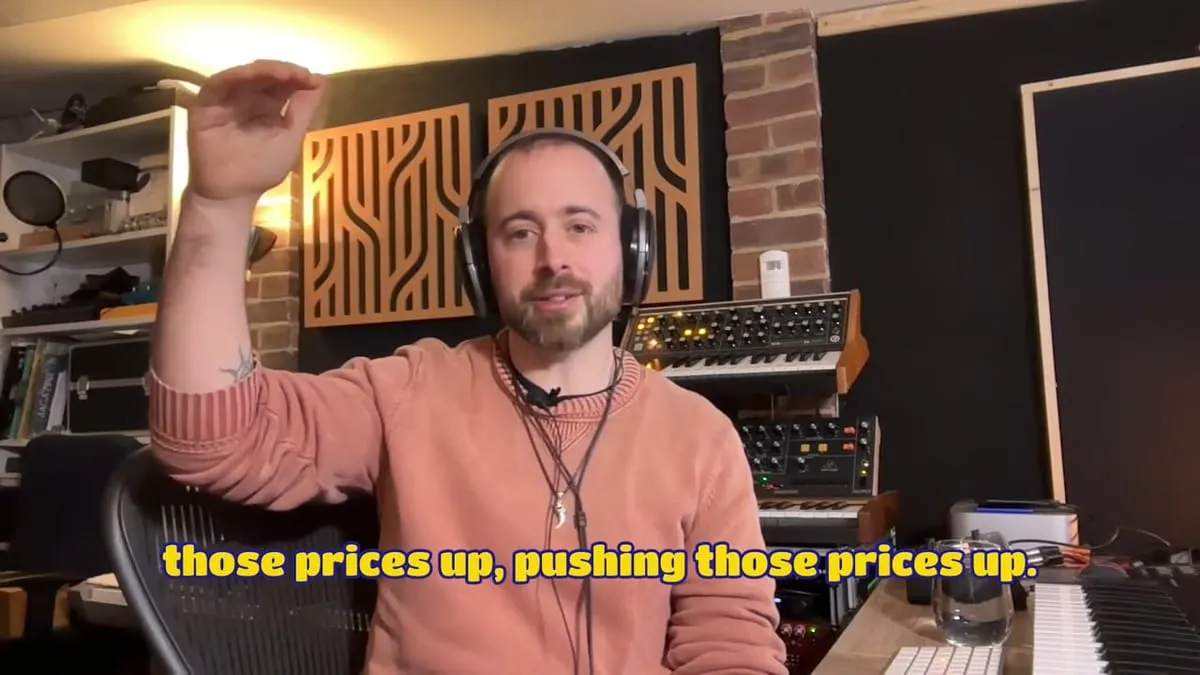
Matthew Parisi is an audio engineer and the owner of Studio Chimp. He'd been freelancing for over a decade, with about seven years on his own after working in a studio. His revenue had hovered between £35,000 and £50,000. Not bad. Enough to buy a house and raise a family. But then he landed a whale client that changed everything.
“I'd made the classic mistake of having a really good whale client, and that had basically sustained the business for about three years. They booked all the time I had available.”
That whale client was great while it lasted, but it meant dropping his label work, letting other clients go, and becoming completely dependent on a single source of income. Then, with about two weeks' notice, the client called and said they couldn't pay anymore.
“I basically got a message like, 'Yeah, I can't pay you anymore.' And that was with about two weeks' notice.”
After three years of not being available, he had to rebuild from scratch. Revenue dropped to survival mode. Around £2,000 to £3,000 a month, hoping the occasional project would come in to cover the next couple of months.
Limping Along and Hating Every Minute
Matthew tried doing what he'd done before. Reaching out to old contacts, messaging new artists, seeing if past clients wanted to book. But after three years away, most of those relationships had gone cold.
“You sound really spammy. You sound like collab bro. And I hate that at the best of times. I feel really affronted if someone does it to me, and then I'm out there trying to persuade people I'm not trying to sell to them, but I'm definitely trying to sell to them.”
He'd been following Brian's podcast since the early Six Figure Home Studio days. He'd taken mini courses, read every recommended book, and absorbed everything he could for free. When a friend mentioned the Clients by Design coaching, Matthew didn't hesitate.
“I was like, I'm doing it.”
The System That Runs in the Background
The transformation happened fast. Within about two months, Matthew had his first client through the program's network exercise. That single client covered the cost of the program.
Since launching ads, he's been closing three to four new clients per month, each at project values between £5,000 and £6,000. He's raised his day rate from £250 to £300, pushed his mix rate from £200 to £350, and is experimenting with pushing higher.
“I've got to the point now where I'm probably not going to be able to take on any more monthly clients. Which is absolutely awesome, of course.”
The biggest change is what's happening in the background. His CRM has sent over 2,000 emails on his behalf, following up with leads, sending reminders for calls, and nudging people who didn't finish their inquiry forms.
“I would never have had time to send out 2,000 emails to people. That's nuts.”
The Numbers
The transformation from survival mode to a thriving business:
• Before: £2,000 to £3,000/month in survival mode after losing his whale client
• After: Around £6,000/month (approximately $8,000 to $9,000 USD), and growing
• Active clients: Nearly 20 on the books, with over half coming through the program
• Project pipeline: Five or six album projects booked, plus a new festival venture
• Closing rate: Three to four new clients per month on average
• Pricing increases: Day rate up from £250 to £300, mix rate up from £200 to £350
“It brings in money every single month. It brings in new people every single month. And more importantly, I'm enjoying the work more because I'm not stressed about it.”
Buying the Leather Jacket
Matthew tells a story that captures the emotional shift better than any metric.
“I was out with a bunch of mates in London, and I'd wanted a leather jacket for ages. I saw one, tried it on, it fit perfectly, and it was quite a lot of money. And I just went, okay, whatever. Let's buy it.”
It sounds small, but that moment of confidence, of knowing he'd make more than that tomorrow, was something he hadn't felt in a long time. No more worrying about whether the bills would be covered in a month or two.
The system cleared the mental fog. Now when his partner suggests a walk with the dog in the middle of the day, he can say yes without stress. There's a machine running in the background, bringing people in and keeping the pipeline full.
“I can think about the future as a possibility and not as a, well, that would be nice to do, but I simply don't have the time or money.”
"Jump in with two feet. Do everything. You are sitting at a banquet and eat everything that's on the table. Do everything that the coaches tell you to do. Join everything that's offered to you. Attend as many of the calls as possible. It's such a wealth of knowledge. Make sure you eat everything."— Matthew Parisi
See Matthew's work at studiochimp.com.
Ready for results like these?
If you don't make at least $10,000 in new revenue during the program, we keep working with you for free until you do.
Apply now